
Anxiety Therapy for Women in Fairfax, VA: Personalized Care for Lasting Relief
Most people know what anxiety is supposed to look like. The racing heart before a presentation. The sudden fear. The obvious, identifiable dread.
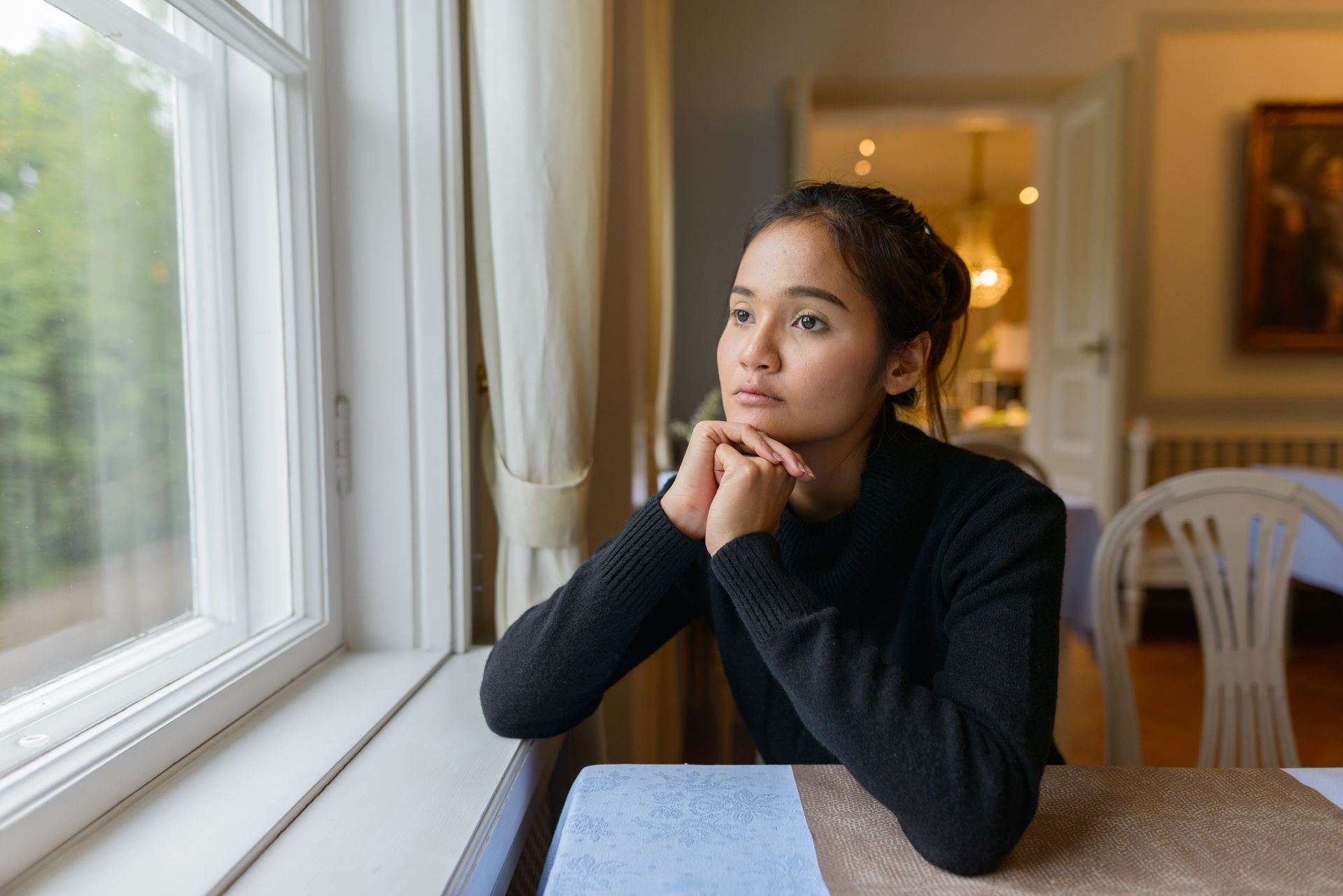
But anxiety in women often looks nothing like that.
It looks like being the person who has everything together and never actually feeling like you do. It looks like lying awake at 2 a.m. mentally running through tomorrow's list, again. It looks like overanalyzing a text message for twenty minutes, saying yes when you meant no, and carrying a low-level hum of worry so constant it feels like your personality.
It looks, in other words, like just being a woman in a demanding world.
Except it is not. And you do not have to keep treating it like it is.
Anxiety disorders are the most common class of mental health conditions in the United States, according to the National Institute of Mental Health (NIMH). Women are significantly more likely than men to experience them. NIMH data shows that 23.4% of adult women experienced an anxiety disorder in the past year, compared to 14.3% of men, and over their lifetimes, women are 60% more likely than men to develop an anxiety disorder.
Anxiety therapy gives you a structure for change. At Lola Therapy in Fairfax, Virginia, Lisa Kelleher, LPC offers personalized anxiety therapy for adolescent and adult women, both in-person and virtually across Virginia.
Here is what you need to know.
In this post, you will learn what anxiety disorders are and how they affect women differently, what types of anxiety disorders are most common, what physical symptoms of anxiety look like, and how anxiety therapy, including cognitive behavioral therapy (CBT), acceptance and commitment therapy (ACT), and other approaches, can help you manage anxiety and improve your quality of life.
Understanding Anxiety Disorders: What Women Need to Know
Anxiety is a normal human experience. It is your nervous system doing its job, alerting you to potential threats and preparing you to respond. But when anxiety becomes persistent, disproportionate to the situation, or difficult to control, it has crossed into anxiety disorder territory.
An anxiety disorder is not a character flaw or a sign of weakness. It is a recognized mental health condition with identifiable symptoms, real impact on quality of life, and effective treatment options.
For women, anxiety often shows up differently than it does for men. Research consistently confirms that women are more likely to internalize anxiety, to show it as overthinking, worry, and self-criticism rather than irritability or avoidance. Women are also more likely to experience multiple anxiety disorders at once, or to have anxiety alongside depression and other mental health symptoms.
Understanding anxiety means understanding that your nervous system is responding to something real, even when the threat feels vague. Anxiety therapy helps you work with that response rather than against it, developing thought patterns and coping skills that actually change how anxiety operates in your life.
Common Types of Anxiety Disorders That Affect Women
Not all anxiety looks the same. Different types of anxiety disorders have different triggers, different patterns, and different treatment approaches. Understanding which type you are dealing with helps ensure you get the right treatment plan.
Social anxiety disorder. Social anxiety disorder involves intense fear of social situations and judgment, often leading to avoidance that narrows your world over time. It affects millions of adults and frequently goes untreated for years.
Obsessive-compulsive disorder. OCD is characterized by intrusive thoughts and repetitive behaviors or mental acts used to manage the distress those thoughts create.
A therapist will work with you to identify which type of anxiety you are experiencing and build a personalized treatment plan from there. Treatment varies based on the type, severity, and your personal history.
Physical Symptoms of Anxiety You Should Not Dismiss
Anxiety is not just mental. It lives in your body, and many adolescent and adult women spend years managing physical symptoms of anxiety before anyone connects them to their mental health.
Physical symptoms of anxiety include:
- Rapid heartbeat or pounding in the chest
- Shortness of breath or chest tightness
- Nausea, stomach upset, or digestive problems
- Headaches or migraines
- Muscle tension, especially in the neck and shoulders
- Fatigue and difficulty sleeping
- Dizziness or lightheadedness
- Increased sweating
These physical and mental health symptoms are not separate problems. They are the same anxiety response showing up in different systems of your body. When anxiety and stress go untreated, those physical symptoms tend to worsen over time.
If you have been to your doctor about unexplained physical symptoms and nothing physical explains them, anxiety may be the underlying cause. That is not a diagnosis, it is a reason to talk to a mental health professional about what you are experiencing.
How Anxiety Therapy Helps Women Manage Anxiety and Reclaim Quality of Life
Therapy for anxiety is not about talking through your feelings until you feel better. It is a structured, evidence-based process for changing the thought patterns and behaviors that keep anxiety going.
Anxiety therapy helps by:
- Identifying the specific triggers and patterns behind your anxiety
- Teaching you practical coping skills for managing acute anxiety in the moment
- Addressing the root beliefs and thought patterns that fuel chronic worry
- Rebuilding your ability to tolerate uncertainty and discomfort without spiraling
- Helping you create a personalized treatment plan aligned with your life, your history, and your goals
The goal of anxiety therapy is not to eliminate all stress. A certain level of anxiety is normal and functional. The goal is relief from anxiety that has become a barrier to living well. Many women describe the shift not as the absence of anxiety, but as finally having tools to use when it shows up.
Therapy can help with every type of anxiety disorder, from generalized anxiety to social anxiety disorder to panic disorder and more. Treatment varies based on type, severity, and your personal history, which is why personalized treatment matters.
Cognitive Behavioral Therapy for Anxiety: Why It Works
A 2021 review published in Focus (American Psychiatric Publishing) confirms that CBT is a first-line, empirically supported intervention for anxiety disorders. CBT refers to a family of techniques designed to target the maladaptive thoughts and behaviors that maintain anxiety over time.
CBT is built on a core insight: anxiety is maintained by thought patterns and behaviors that, while intended to manage fear, actually keep it going. CBT for anxiety works by identifying those patterns and changing them systematically.
In CBT, you will:
- Learn to recognize cognitive distortions, automatic thoughts that amplify anxiety (catastrophizing, all-or-nothing thinking, mind-reading)
- Challenge those thought patterns and replace them with more accurate, balanced ones
- Gradually face situations you have been avoiding, reducing their power over time
CBT can help with generalized anxiety disorder, social anxiety disorder, panic disorder, OCD, and other types of anxiety. The research base behind cognitive behavioral therapy is extensive: CBT consistently shows strong outcomes across dozens of clinical trials. A therapist who specializes in cognitive behavioral therapy will adapt it to your specific type of anxiety and your personal history.
CBT for Anxiety in Practice: What Therapy Sessions Look Like
Understanding CBT in theory is one thing. Knowing what it actually looks like in practice helps you decide whether it feels like the right fit.
Assessment first. An experienced therapist starts by getting a clear picture of your anxiety. When does it show up? What does it feel like? What tends to trigger it? How has it affected your quality of life? This shapes everything that follows.
A personalized treatment plan. Together, you and your therapist will create a personalized treatment plan, specific goals, the CBT approach that fits your type of anxiety, and a realistic timeline.
Skill-building between sessions. CBT is active. You will practice coping skills outside of sessions, not because homework is fun, but because that is where real change happens.
Gradual exposure work. For many types of anxiety, CBT includes exposure-based work: facing feared situations in a structured, graduated way to reduce their power. Exposure and response prevention (ERP) is used for OCD and other anxiety disorders with strong avoidance components. All exposure work is done at your pace, with your therapist's support.
Tracking progress. Good therapy measures outcomes. A CBT therapist tracks your anxiety levels and adjusts the treatment plan as you go.
Therapy sessions are typically 50 minutes. Most people begin noticing shifts within 8-12 sessions, though treatment varies by person and presentation.
Other Types of Therapy for Treating Anxiety
CBT is not the only effective therapy for anxiety. Depending on your presentation, your therapist may incorporate other therapeutic approaches as part of your treatment plan.
Acceptance and commitment therapy (ACT). Acceptance and commitment therapy shifts the focus from eliminating anxiety to changing your relationship with it. Rather than fighting anxious thoughts, ACT teaches you to notice them without being controlled by them, and to act in line with your values even when anxiety is present.
Dialectical behavior therapy (DBT). Dialectical behavioral therapy was originally developed for mood disorders but has strong applications for anxiety, especially when anxiety is linked to emotional dysregulation or trauma.
Exposure and response prevention (ERP). ERP is the gold-standard treatment for OCD. ERP involves gradually facing feared thoughts or situations while resisting compulsive responses, reducing the power of obsessions over time.
Individual therapy versus group therapy. Both individual therapy and group therapy can be effective for anxiety. Individual therapy offers one-on-one, personalized care. Group therapy provides peer support and the experience of watching others navigate similar challenges. Many people find both valuable at different points.
The type of therapy that works best depends on your specific type of anxiety, your history, and your personal preferences. A good therapist will explain the options and help you choose the approach that fits your situation.
Online Therapy for Anxiety: Flexible Mental Health Services in Virginia
For many adolescent and adult women, the barrier to getting mental health services is not motivation, it is logistics. Finding time, getting to an office, managing childcare, or simply being somewhere rural where in-person options are limited.
Online therapy makes anxiety treatment accessible from wherever you are.
Lisa Kelleher, LPC offers telehealth therapy sessions to adolescent and adult women across all of Virginia. Online therapy for anxiety is conducted via secure video, the same therapeutic approach, the same personalized treatment plan, the same quality of care, delivered in a format that works with your life.
Research on online therapy consistently shows it is as effective as in-person therapy for most anxiety disorders, including generalized anxiety disorder, social anxiety disorder, and panic disorder.
If you have been putting off getting help because getting to an office felt like too much to manage, online therapy removes that barrier. You can access mental health services from anywhere you have a private connection and 50 minutes.
When Anxiety Has Been Dismissed: How a Therapist Can Help
One of the most common things adolescent and adult women say when they first come to therapy for anxiety is some version of: "I know my anxiety is not that bad compared to other people."
That is what anxiety does. It minimizes itself in your own mind while taking up enormous space in your life.
Women are significantly more likely than men to experience anxiety disorders, yet many spend years managing symptoms alone before seeking help. The pattern is familiar: managing it through control, busyness, or white-knuckling through situations that cost more energy than they should. Eventually something shifts, a panic attack, a relationship strained to its limit, an inability to keep holding it all together, and they finally look for support.
A therapist who specializes in anxiety will not ask you to prove your anxiety is bad enough for treatment. They will start where you are. They will help you assess what you are experiencing, identify whether it meets clinical criteria for an anxiety disorder, and build a treatment plan from there regardless.
Therapy is not about adding another thing to manage. It is about getting tools that make everything else easier to handle. Many women describe starting therapy as the moment things began to shift, not because the anxiety disappeared, but because they finally had something to do when it showed up.
If you are struggling with anxiety and looking for a therapist in Northern Virginia, Lisa Kelleher, LPC accepts BCBS/Anthem and Sentara health insurance. Private pay is prioritized, if you are ready to invest directly in your mental health outside of insurance, that path is available too.
Getting Started with Anxiety Therapy in Fairfax, Virginia
You do not have to reach a breaking point before you ask for help.
Lola Therapy is a private practice in Fairfax, Virginia serving adolescent and adult women navigating anxiety, life transitions, depression, self-esteem, and more. Lisa Kelleher, LPC brings 15 years of school counseling experience in Northern Virginia and 4 years in private practice to her work with clients, along with personal lived experience of anxiety and what it takes to actually change your relationship with it.
Both in-person and virtual therapy are available. In-person sessions are at the Fairfax office. Virtual sessions are available to adolescent and adult women across all of Virginia via telehealth.
To get started, reach out to schedule your free 15-minute phone consultation. No commitment required, just a conversation about what you are dealing with and whether therapy might help.
Frequently Asked Questions
What is the most effective therapy for anxiety?
Cognitive behavioral therapy (CBT) is the most extensively researched and widely recommended treatment for anxiety disorders. CBT is considered a first-line, empirically supported intervention for generalized anxiety disorder, social anxiety disorder, panic disorder, and OCD. Other approaches including acceptance and commitment therapy (ACT) and exposure-based treatments are also highly effective depending on the type of anxiety. A therapist will help you identify which approach fits your situation.
How do I know if I need anxiety therapy?
If anxiety is affecting your sleep, your relationships, your ability to make decisions, your work, or your overall quality of life, and you have been managing it on your own for a while, therapy can help. You do not need to be in crisis to benefit from anxiety treatment. Many women who come to therapy wish they had come sooner.
What types of anxiety disorders can therapy treat?
Anxiety therapy is effective for generalized anxiety disorder (GAD), social anxiety disorder, panic disorder, obsessive-compulsive disorder (OCD), and specific phobias, among other types. Treatment varies based on the type of anxiety, severity, and your personal history. A therapist will assess which type you are experiencing and build a personalized treatment plan from there.
Does insurance cover anxiety therapy?
Lola Therapy accepts BCBS/Anthem and Sentara health insurance. Private pay is also available and prioritized for those who prefer to invest directly in their care. Contact the practice for current rates and availability.
Can I do anxiety therapy online?
Yes. Lisa Kelleher, LPC offers telehealth therapy sessions to adolescent and adult women across all of Virginia. Online therapy for anxiety is as effective as in-person therapy for most anxiety disorders and allows you to access mental health services from wherever you are.
How long does anxiety therapy take?
Treatment varies by person and type of anxiety. Many people notice meaningful shifts within 8-12 sessions of CBT. Some work with a therapist longer, especially when anxiety is linked to deeper patterns or prior trauma. Your therapist will work with you to set realistic expectations and adjust the personalized treatment plan as you progress.
Ready to Get Relief from Anxiety? Start Here.
Anxiety is real. And it is treatable.
If you have spent years managing anxiety on your own, dismissing it as stress, or telling yourself you should be able to handle it, the most important thing to know is that effective anxiety therapy exists, and it works.
Lisa Kelleher, LPC works with adolescent and adult women in Fairfax, VA and virtually across Virginia. If anxiety has been running in the background for a while, or in the foreground lately, therapy is a practical, evidence-based way to change that.
Reach out today to schedule your free 15-minute phone consultation and take the first step toward relief from anxiety that has been holding you back.
OUR RECENT POSTS:








More Helpful Articles